
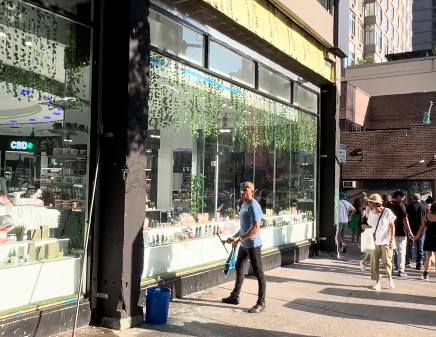
If you run a retail storefront in New Jersey or New York City, the front-window cleaning schedule is one of those line items that quietly drifts. Once a month becomes once every six weeks becomes “whenever the manager remembers.” And then a customer walks past your window in February, sees the salt streaks and fingerprints, and walks into the store next door instead.
Storefront windows are different from office windows or residential glass. They face the street, they’re at eye level, they catch every passing customer’s attention, and they’re the first thing anyone judges your store on. Here’s a real schedule guide from a NJ and NY metro window cleaning company that handles retail accounts across Bergen, Essex, Hudson, Westchester, and Manhattan.
The Short Answer: How Often Storefronts Need It
For most NJ and NYC retail, here’s what works:
- High-traffic retail (restaurants, cafes, fast-casual, urgent care, salons): Weekly
- Standard retail (boutiques, gift shops, specialty stores): Every 2 weeks
- Lower-traffic retail (professional services, low-foot-traffic specialty): Monthly
- Pharmacies, banks, real estate offices, financial advisors: Monthly with weekly entry-glass touch-ups
- Auto dealerships and showrooms: Weekly minimum (showroom glass shows everything)
Three things push the schedule tighter: weather, location, and customer perception standards. If you’re between schedules and not sure where you fit, lean toward more frequent. The cost difference between weekly and bi-weekly is smaller than the cost of one customer walking away.
Why Storefronts Get Dirty Faster Than Other Glass
- Fingerprints and nose prints. Customers touch front windows all day. Kids press their faces against them. Dogs sniff. That eye-level smudge zone gets dirty every single day.
- Street splash. Cars, buses, and rain drag street grit straight onto storefront glass. NYC sidewalk glass takes a beating.
- Winter salt and slush. Late November through March is brutal for retail glass in NJ and NY. Salt residue bonds to glass and gets harder to remove the longer it sits.
- Summer pollen and pollution. The April–June pollen wave coats every flat surface in North Jersey and Westchester. Storefronts catch it directly.
- Tape, stickers, and promotional residue. Holiday decals, sale signs, and seasonal displays leave adhesive residue when they come down.
- Cooking grease (food service). Even with vents, restaurant front windows pick up airborne grease that fogs the glass.
A Schedule by Retail Type
Restaurants and Coffee Shops
Weekly is the minimum, period. Food service glass picks up grease, fingerprints, kid prints, and sidewalk splash faster than any other retail category. Some high-volume NYC operations clean twice a week. Pair the front-glass clean with a quick entry-door wipe-down each evening as part of closing.
Boutiques and Specialty Retail
Every 2 weeks is the sweet spot. Customers stop at the window, browse the display, touch the glass — but foot traffic is lower than food service. If you change your window display monthly, time your window cleanings to fall the day before each new display reveal.
Banks, Pharmacies, and Professional Services
Monthly cleanings work for these, but with a catch: the entry vestibule glass and door pulls need a weekly touch-up. Those are the highest-traffic surfaces and the ones every customer notices first.
Auto Showrooms and Dealerships
Different game entirely. The showroom glass — both exterior and interior partitions around the cars — has to look perfect. Weekly minimum, sometimes more around new model launches or weekend sales events.
Salons, Spas, and Wellness
Weekly. The aesthetic standard for these businesses is higher than the average retail store — clients walk in expecting a clean, polished environment, and that judgment starts at the front window.
Strip Mall Retail (Multiple Tenants)
If you’re in a strip mall, the property manager sometimes handles exterior glass on a quarterly schedule. That’s almost never enough for an individual tenant. Most retail tenants book their own bi-weekly or monthly service on top of whatever the property manager runs. The cost is usually small relative to your foot traffic. The same logic applies if you’re in a mixed-use NYC building where our high-rise window cleaning service handles the upper floors and your storefront sits at street level.
Seasonal Adjustments That Matter
- Late November through February: Bump the schedule up one tier. Road salt and slush hammer storefront glass.
- April–May pollen wave: One extra cleaning after the worst of the tree pollen settles (usually late May).
- Summer storms (June–August): A storm-day post-cleanup makes a real difference. Brief, intense thunderstorms leave more debris on storefront glass than a week of normal weather. If your storefront also has exterior brick or stucco that gets streaked, a spring storefront pressure washing pass handles those surfaces alongside the window service.
- Holiday season (October–December): Tighten the schedule. Foot traffic is up, fingerprints are up, customers are window-shopping in larger numbers than any other time of year.
If you run a holiday-heavy retail business — gift shops, jewelry, cookware, toys — the window cleaning schedule from Thanksgiving through New Year’s should be weekly minimum. It’s the single biggest sales window of the year, and dirty glass quietly drags conversion rates down.
What Storefront Window Cleaning Should Include
A real storefront service covers more than just the glass:
- Exterior glass, top to bottom, both sides if accessible
- Window frames and mullions (the metal between panes)
- Interior side of the front glass
- Entry door glass and door handles
- Door tracks (where dirt and grit build up)
- Awning or canopy underside if applicable
- Signage glass if it’s part of the storefront face
If your current vendor only wipes the outside of the front pane, you’re getting a partial service. The interior side and the door glass are usually where customers form their first impression — those need to be in the routine.
Budgeting for It
Storefront window cleaning is one of the highest-ROI line items in a retail operating budget. For most small-to-mid-size NJ and NYC retail, real ranges look like this:
- Small storefront (under 20 feet of frontage): $40–$100 per visit
- Standard retail (20–40 feet of frontage): $80–$180 per visit
- Larger retail or showroom (40+ feet): $150–$350 per visit
- Multi-story or high-end storefronts: Quoted by site walk-through
Per-visit pricing drops on contracts. A weekly or bi-weekly contract is usually 10–20% cheaper per visit than one-off bookings, and you get scheduling priority. The Small Business Administration’s guide to small business operating expense management is a useful framing for treating recurring services like this as a fixed cost rather than a discretionary one.
Common Mistakes Retailers Make
- Letting the front decal residue sit. Old promo decals leave adhesive ghosting. Pull them down clean or get them professionally removed before applying new ones.
- Letting staff clean with household glass cleaner. Ammonia-based cleaners streak in direct sun and damage tinted or coated glass. A professional vendor uses the right product per surface.
- Skipping the door glass. Every customer touches the door. It’s the most-touched glass in the store. It needs daily attention, not monthly.
- Booking only when you notice it’s dirty. By then your conversion rate has already dipped. A routine schedule prevents the dirty-window window.
Ready to Set Up a Schedule?
Most of our retail clients across Bergen, Hudson, Westchester, and Manhattan are on weekly or bi-weekly contracts that auto-renew. We block the visits in advance so the timing never slips. If you want a real quote for your storefront and a recommended schedule based on your foot traffic and retail type, our commercial window washing service covers all of NJ and NY metro, and we’d be happy to walk through your storefront. Request a free commercial window cleaning estimate and we’ll put together a proposal.